Tale of Three Systems Cruise
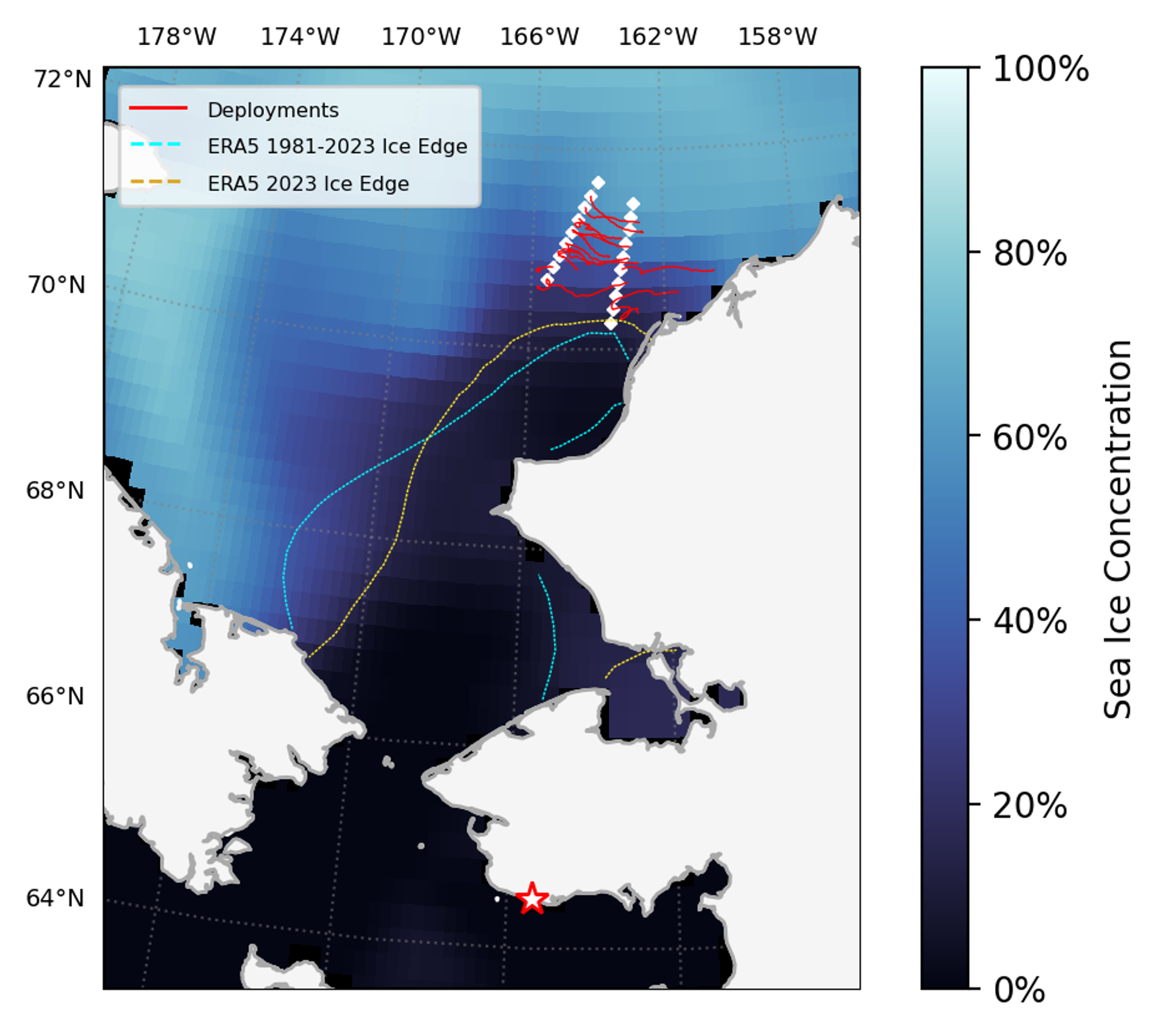
During the summer of 2023, we spent 45 days aboard the R/V Sikuliaq in the Chukchi Sea. We collected over 4,000 wave spectra alongside the science team for the Tale of Three Systems (ToTS) Cruise studying the evolution of under-ice phytoplankton blooms. To the right is an overview of the study region. White squares are stations we repeated visits too over the duration of the campaign. Red lines are wave buoy deployments. The ice edge is the average ice edge position during the seven week campaign from mid June through the end of July. The red star is Nome, Alaska, where we boarded the ship.
What I did
Floe size distribution from drone imagery
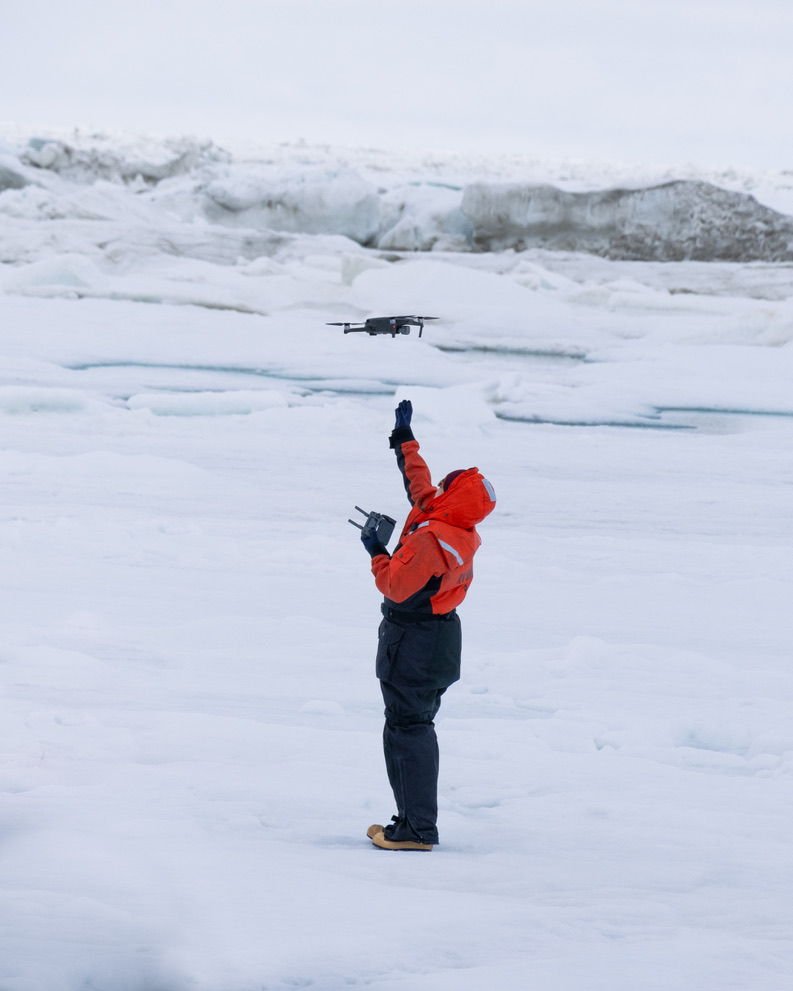
Conducted drone surveys to quantify the evolution of the floe size distribution over the duration of the melt season. Compiled drone images to make orthomosaics with Pix4D software. Due to abnormally warm temperatures and calm winds, low fog often prevented drone flying.
Wave attenuation in sea ice
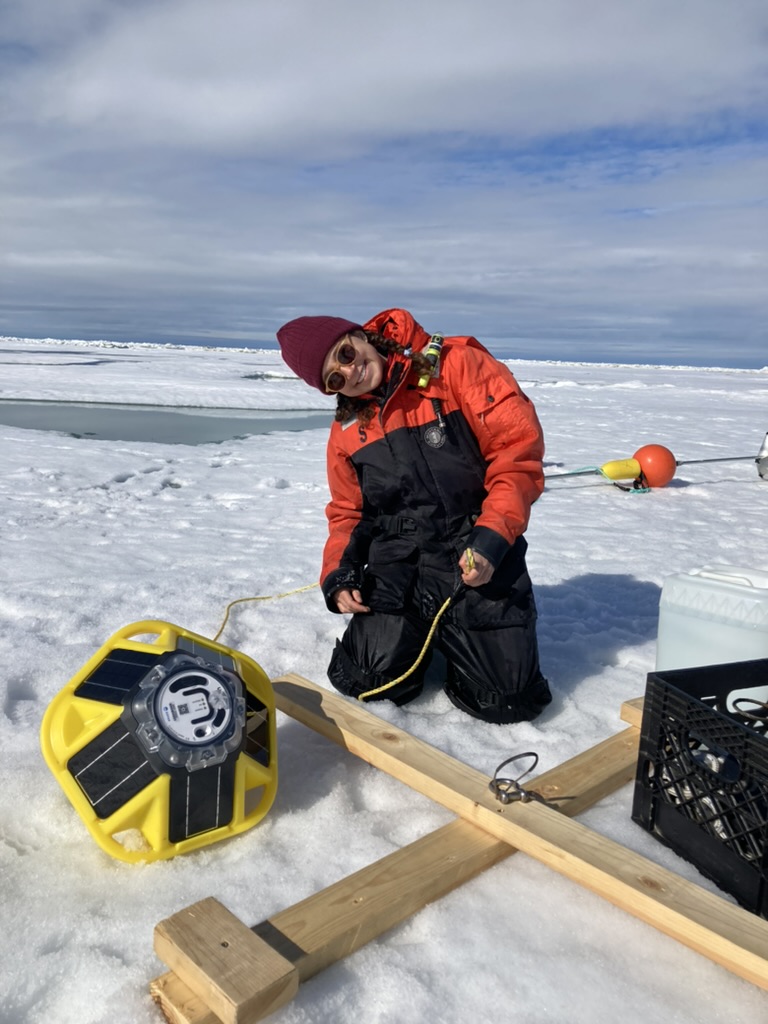
Deployed wave buoys from Sofar Ocean to study ocean wave attenuation in ice, including deployment design, field execution, and post-campaign analysis. We opportunistically tetherted the buoys to the free drifting sediment traps to simplify logistics allowing for more deployments and retrievals. An anomalously calm summer hampered wave actvity such that wave energy decayed rapidly below the instrument noise threshold upon entering the ice.
Field operations
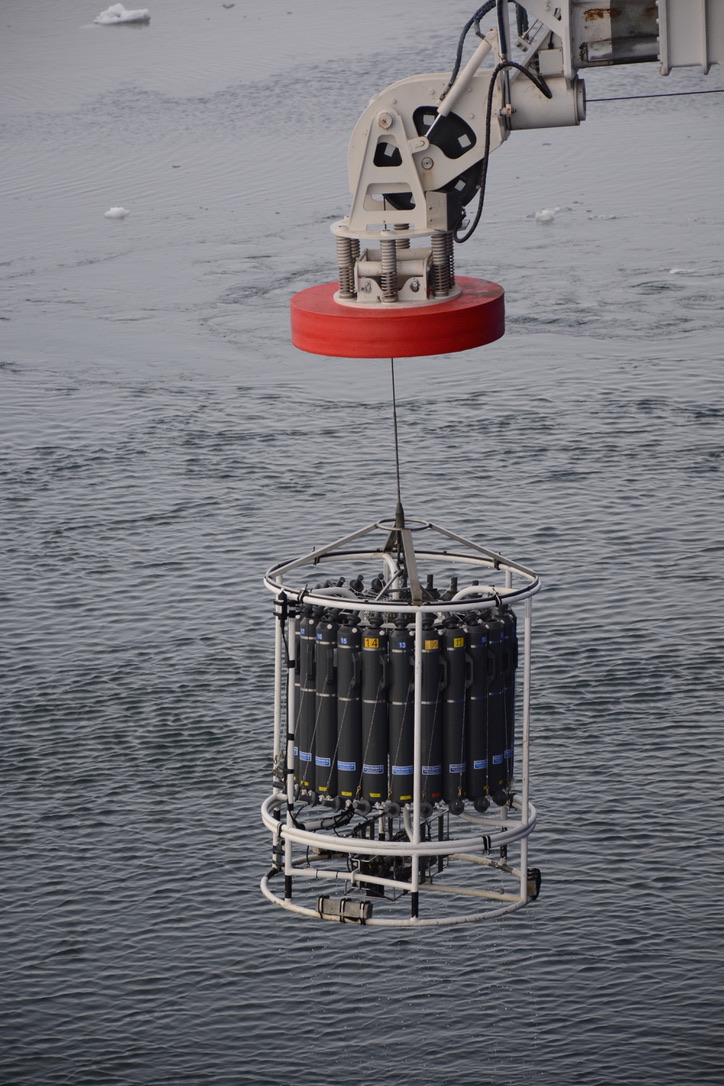
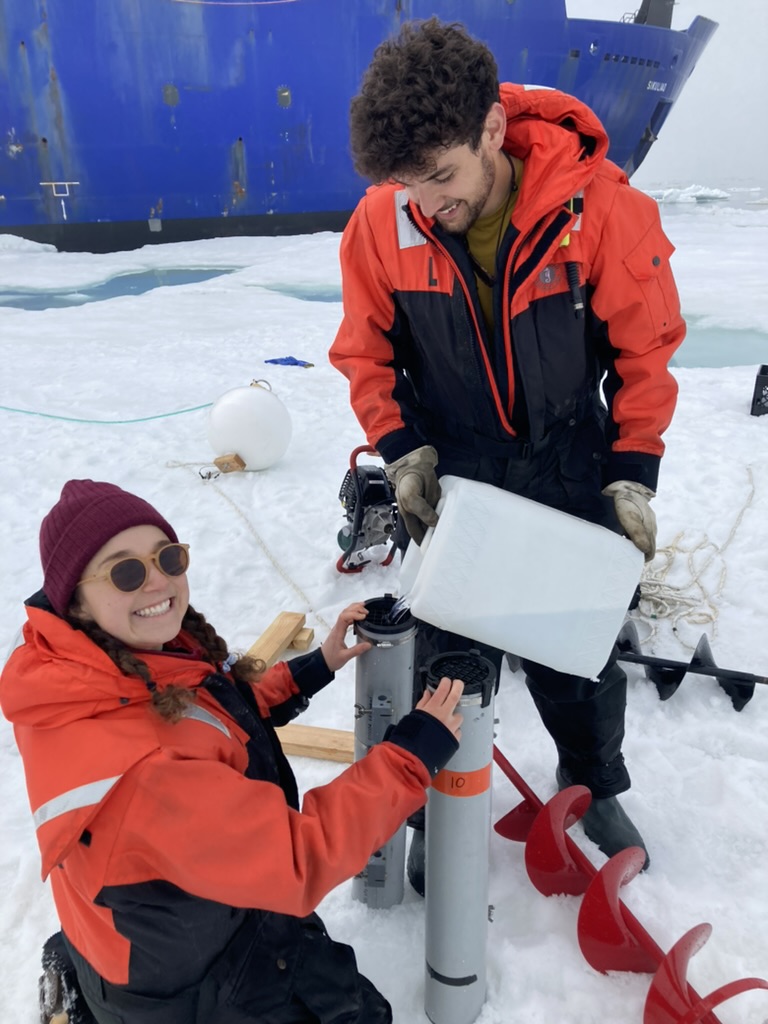
I helped deploy and recover sediment traps to quantify sediment fluxes in the water column. I also helped with the multicorer to sample nutrients from the seafloor and collected water from the conductivity, temperature, and depth (CTD) sensor.
Gallery
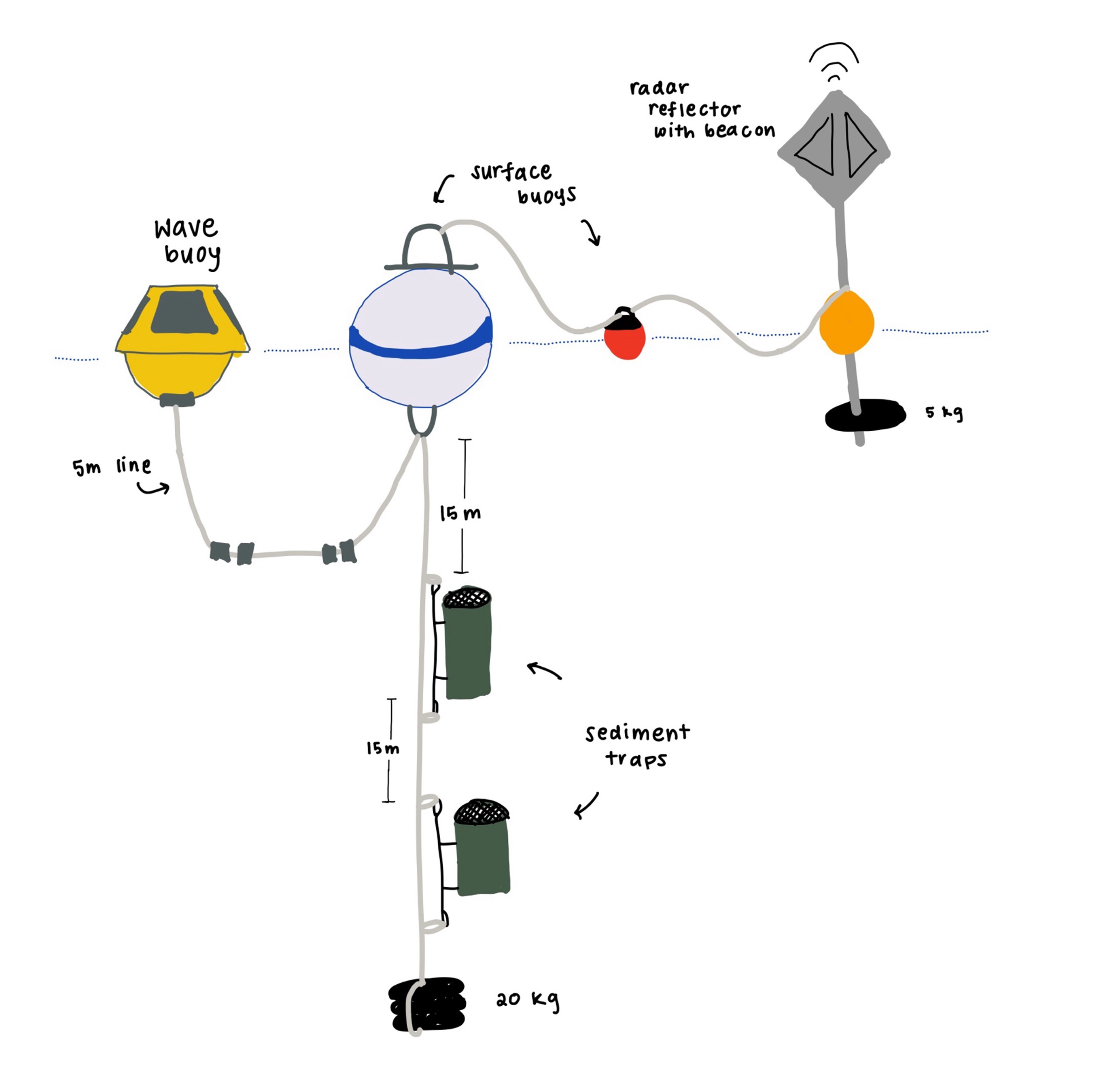
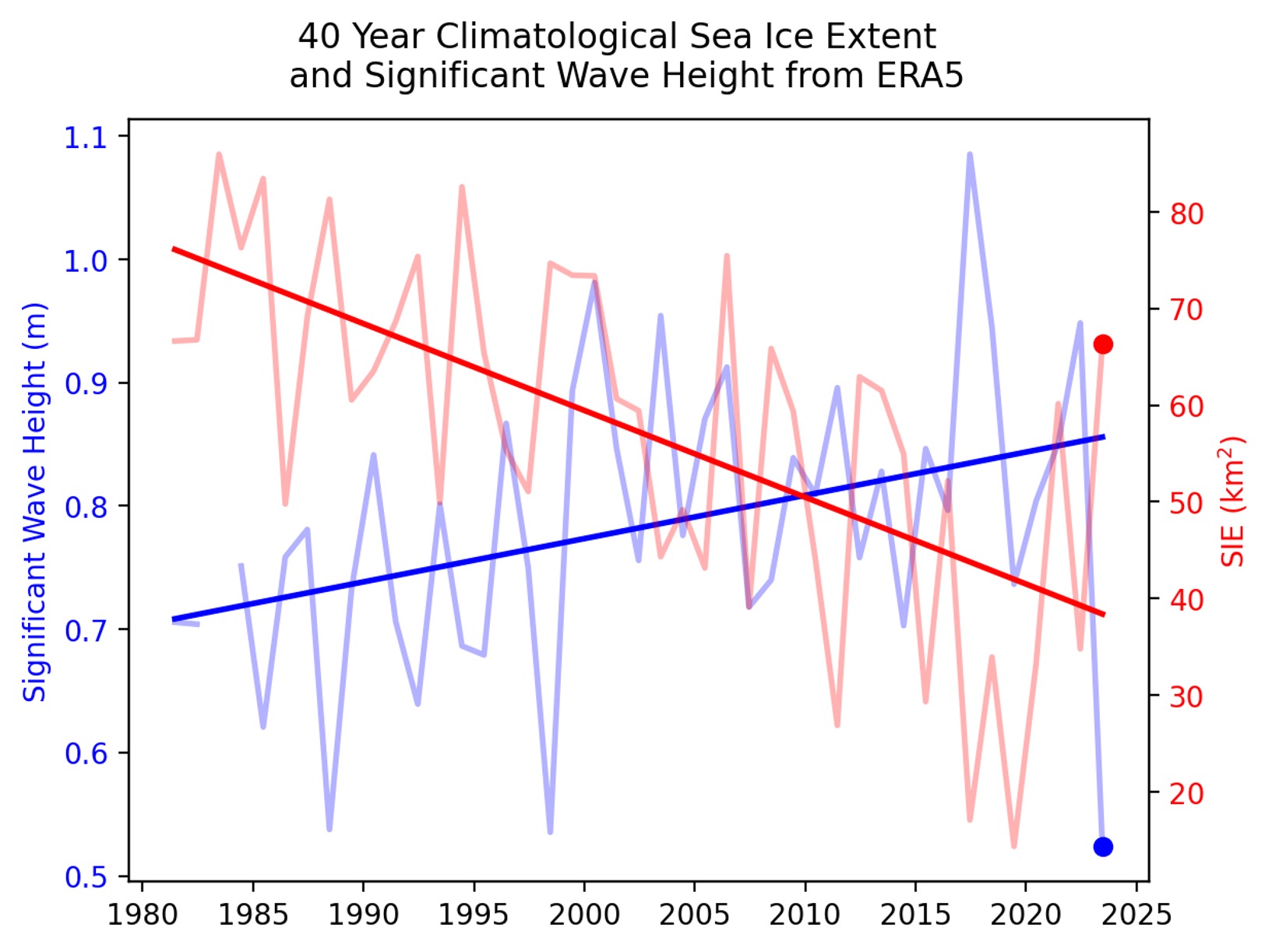
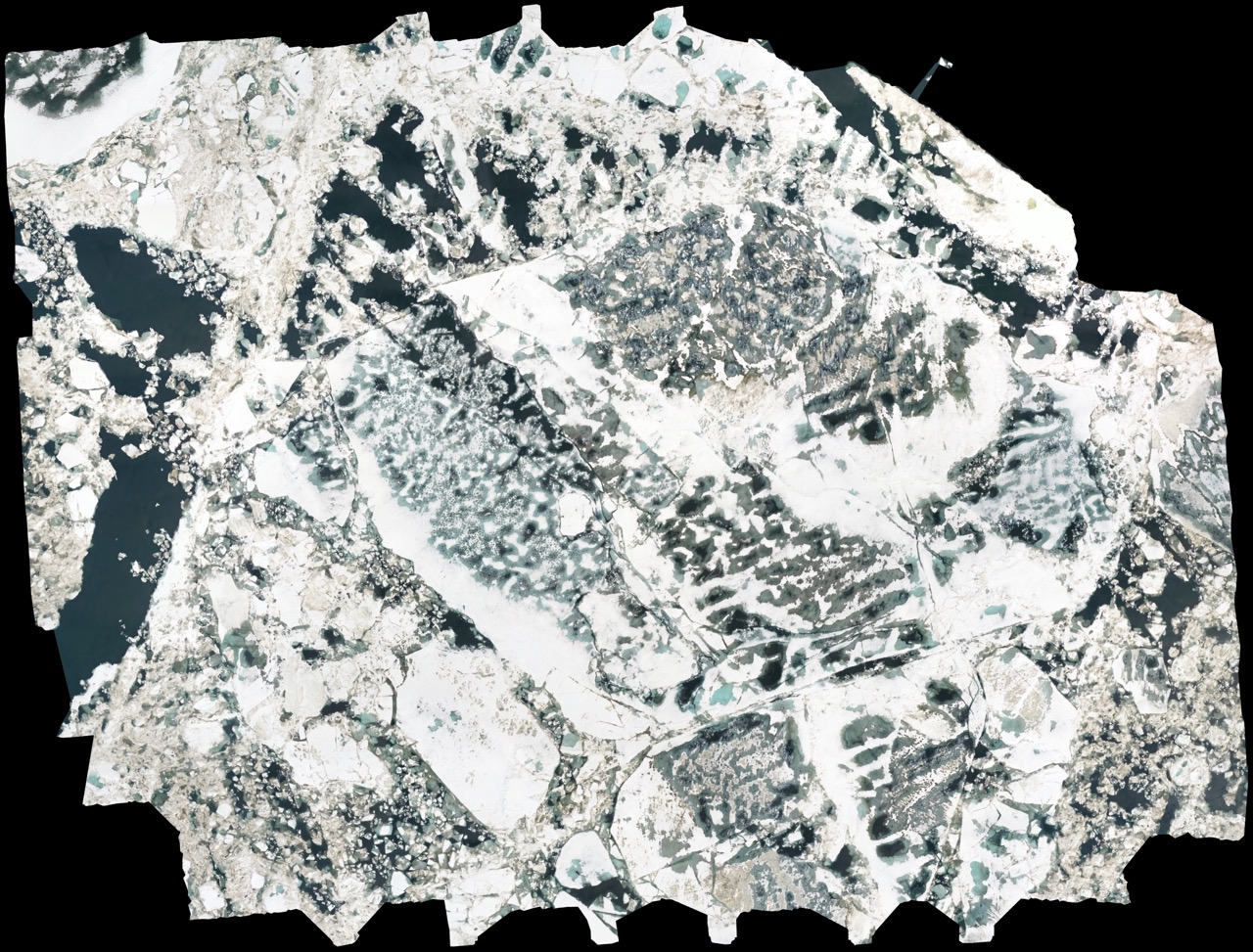
Photo gallery
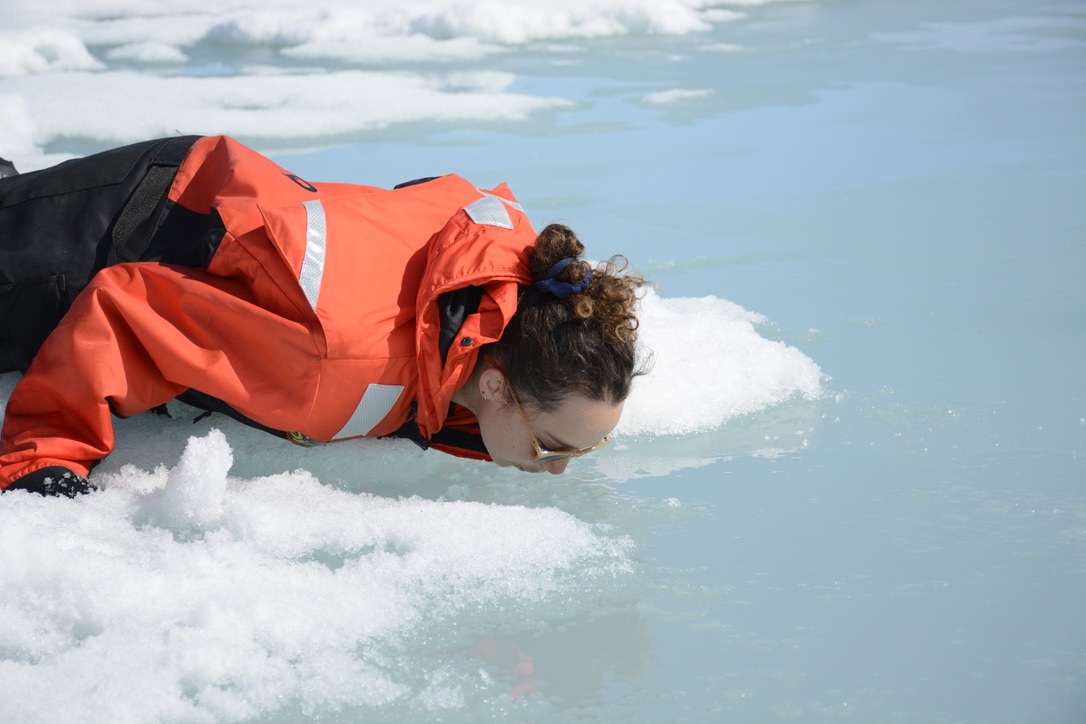
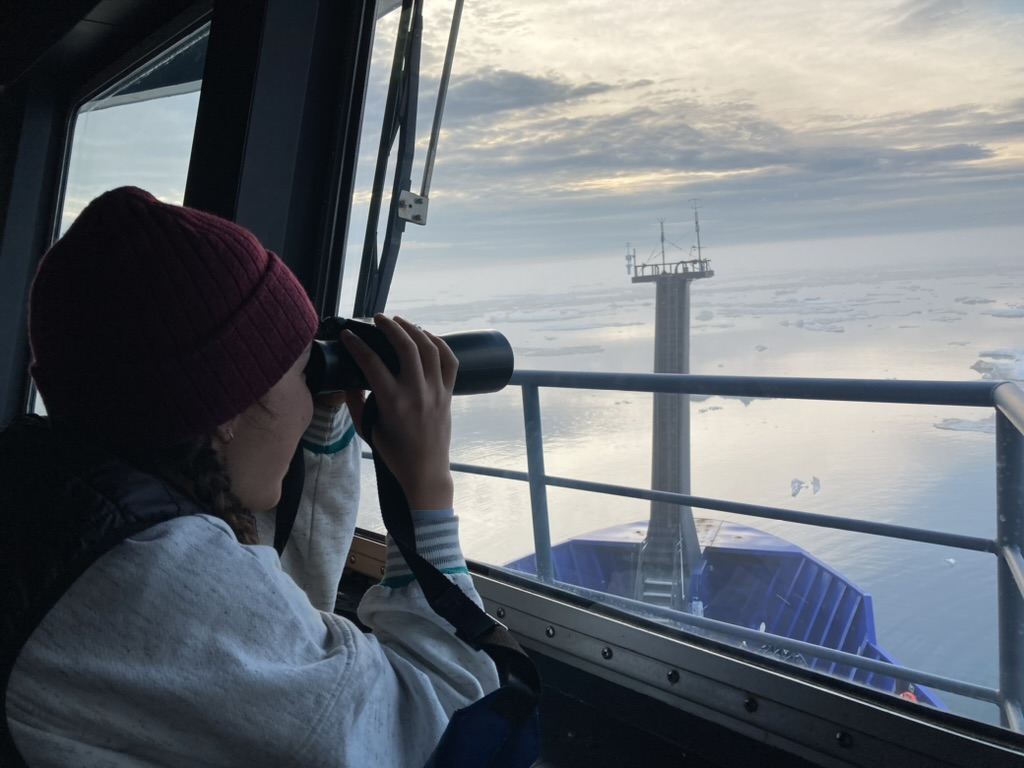
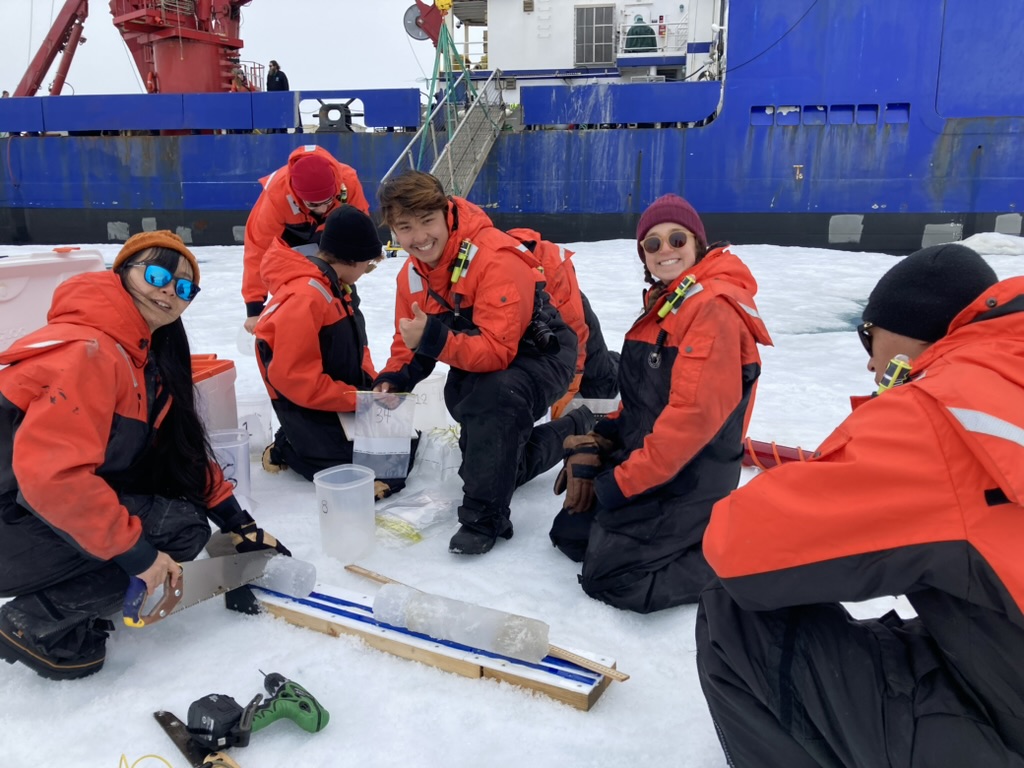
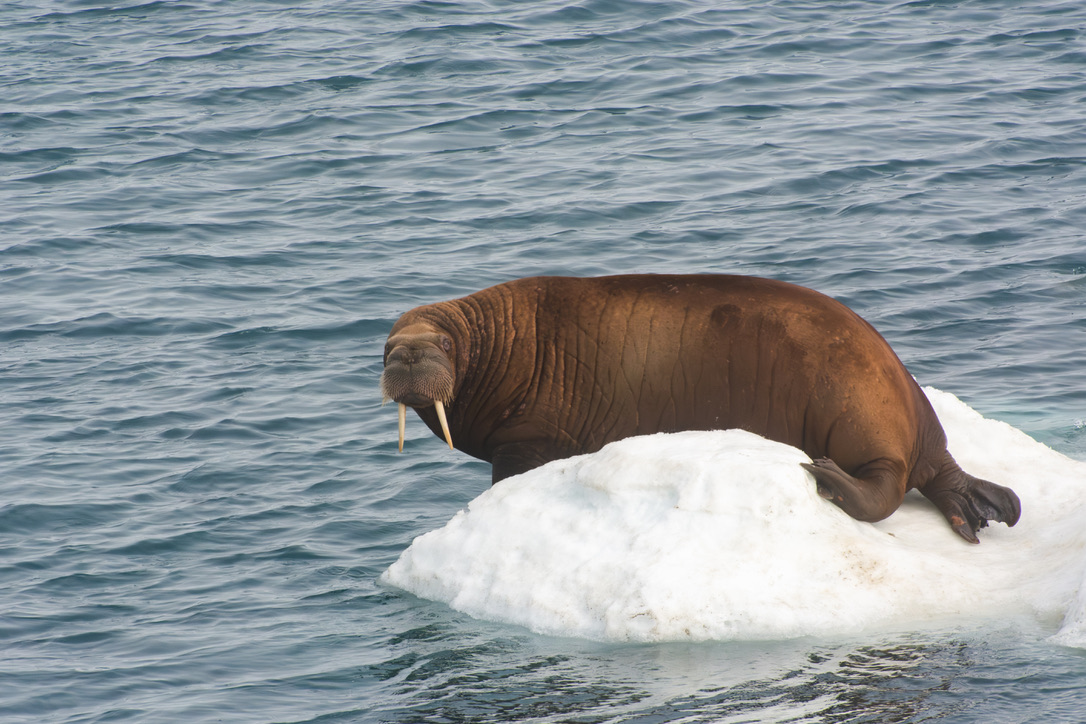
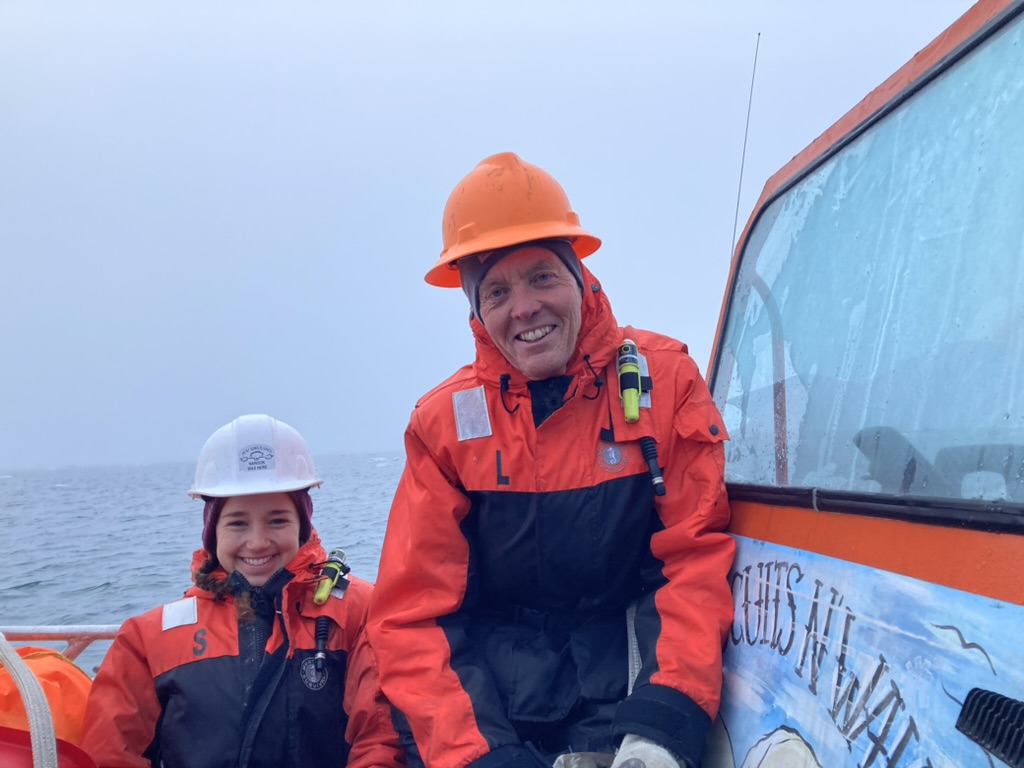
Selected photos from the Arctic campaign.
Cascadia2021 Seismic Node Experiment
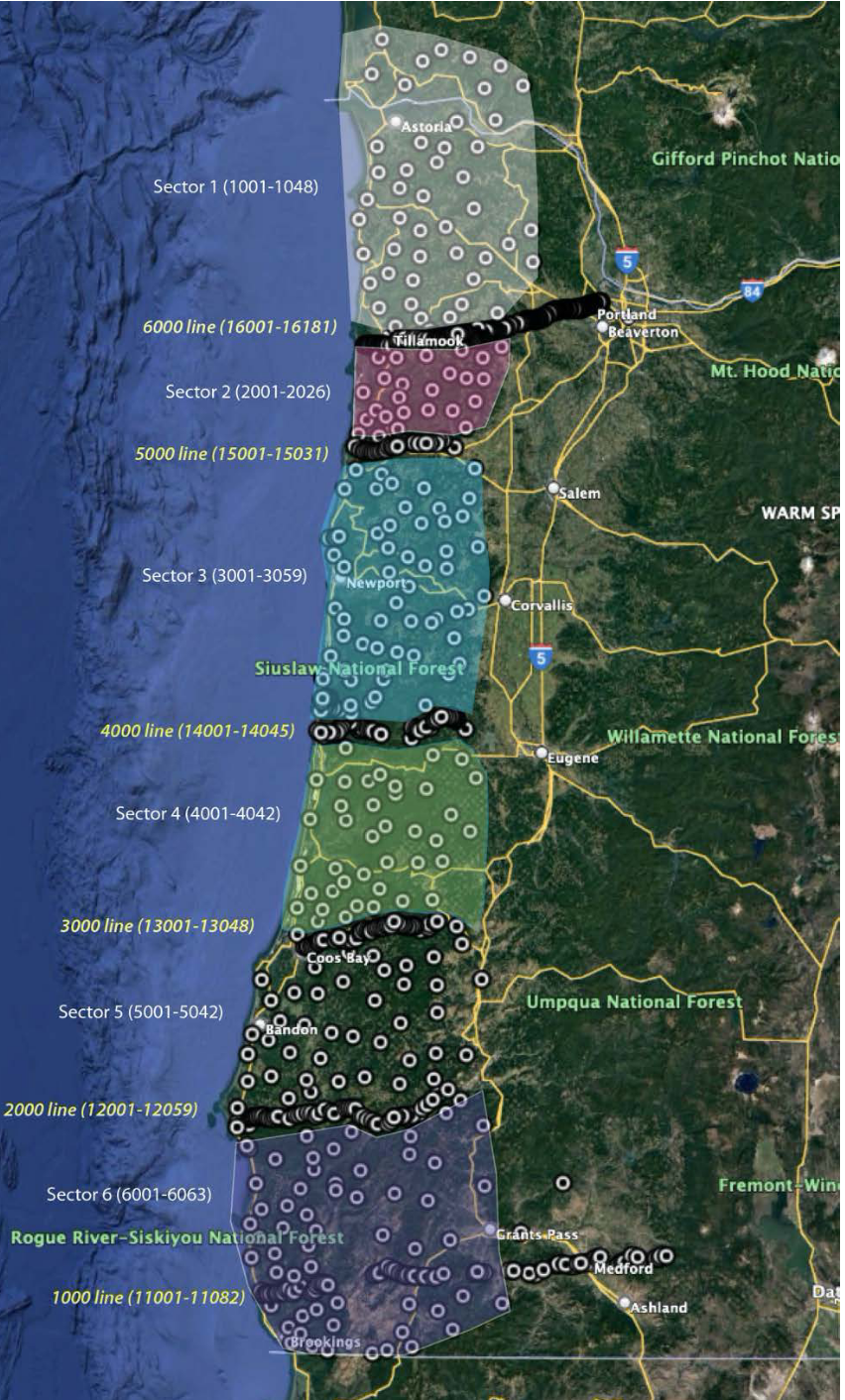
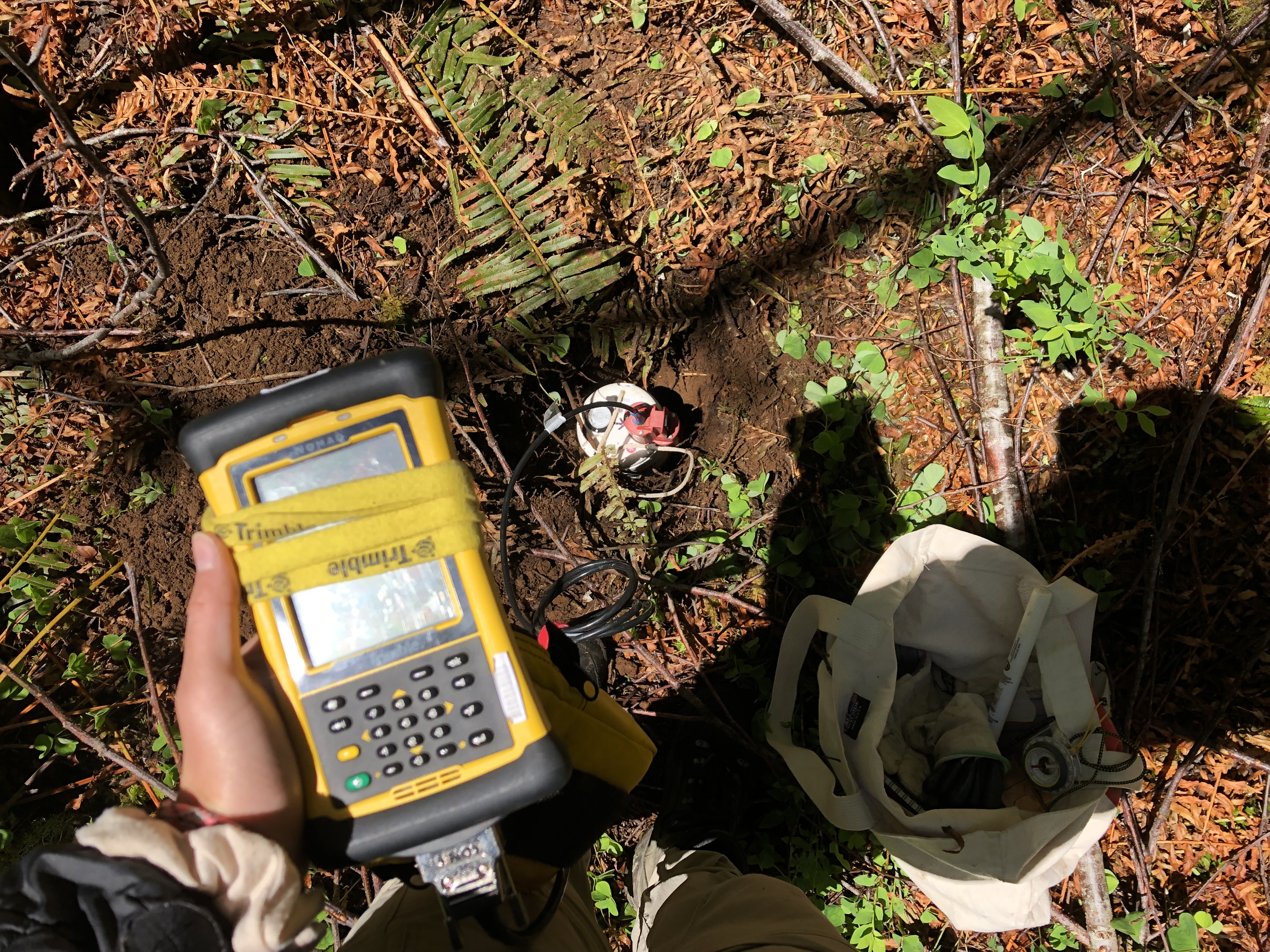
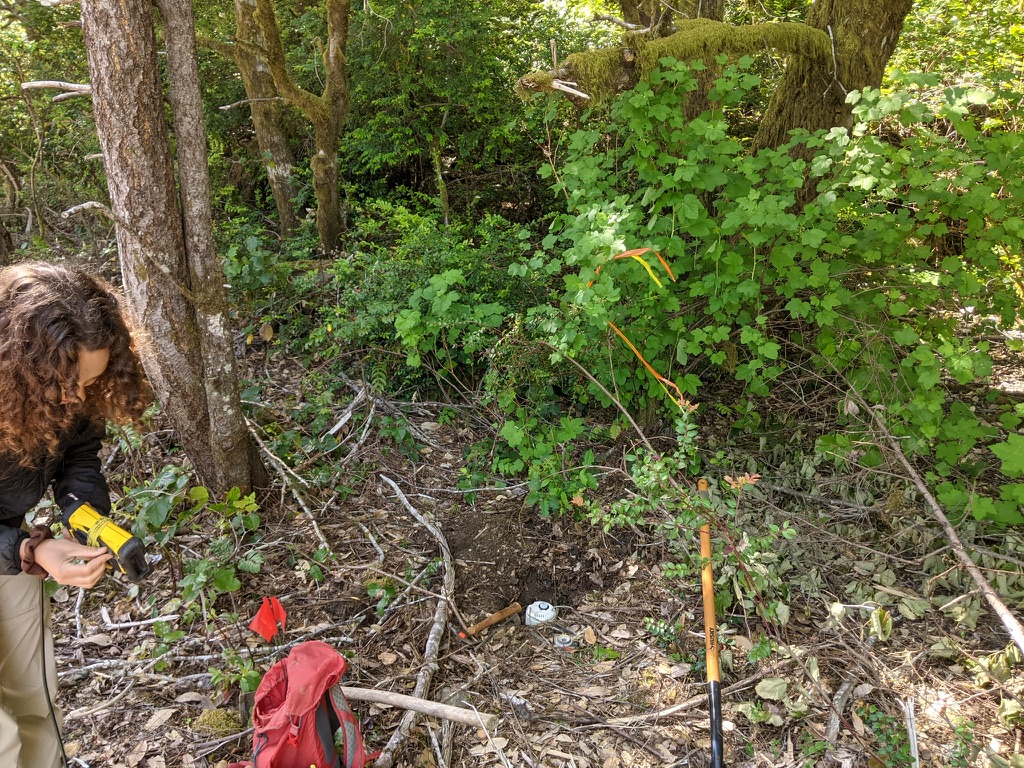
During undergrad, I participated in a seismological field campaign in Oregon. We deployed and recovered over 800 nodal seismometers in the coastal mountains of Oregon. A ship with an air gun array sailed the coast, generating sound waves that were detected by the seismometers, to image the structure of the subduction zone to better understand the mega-thrust earthquake hazard. I also managed the campaign blog.