Teaching Philosophy
STEM is for everyone, and I focus on building confidence through intuition-first explanations and hands-on work. I especially enjoy teaching climate science through computation: students learn the physics, then immediately test ideas by writing code and making figures.
Climate Change: Projections and Uncertainty
Beginning with an introduction to past and present climate change, this course will delve into the radiative physics underlying the greenhouse effect. Students will code their own model of Earth’s energy balance in Python to demonstrate how greenhouse gases raise Earth’s equilibrium temperature. Armed with the physical intuition for anthropogenic climate change, we will discuss the more complex models composing the Coupled Model Intercomparison Project (CMIP) that are used to inform the IPCC reports. Working in teams, students will read research papers to create a final presentation on how the signal of climate change manifests itself on a particular component of the Earth system. By the end of this course, students will feel confident in their ability to discuss the science, nuance, and uncertainty associated with Earth’s changing climate.
Materials
- Syllabus (PDF) · downloadable
- Sign up here for 2026! · Hosted by the Stanford Summer Precollegiate Institute
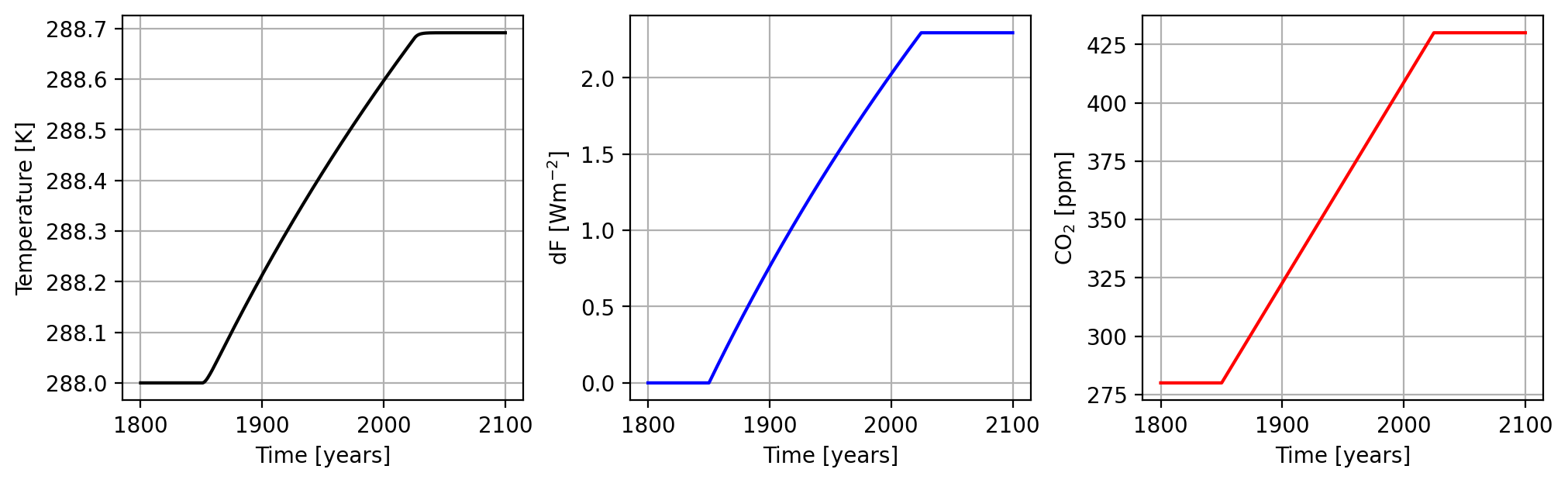
- Energy balance model exercise (Colab notebook) · interactive
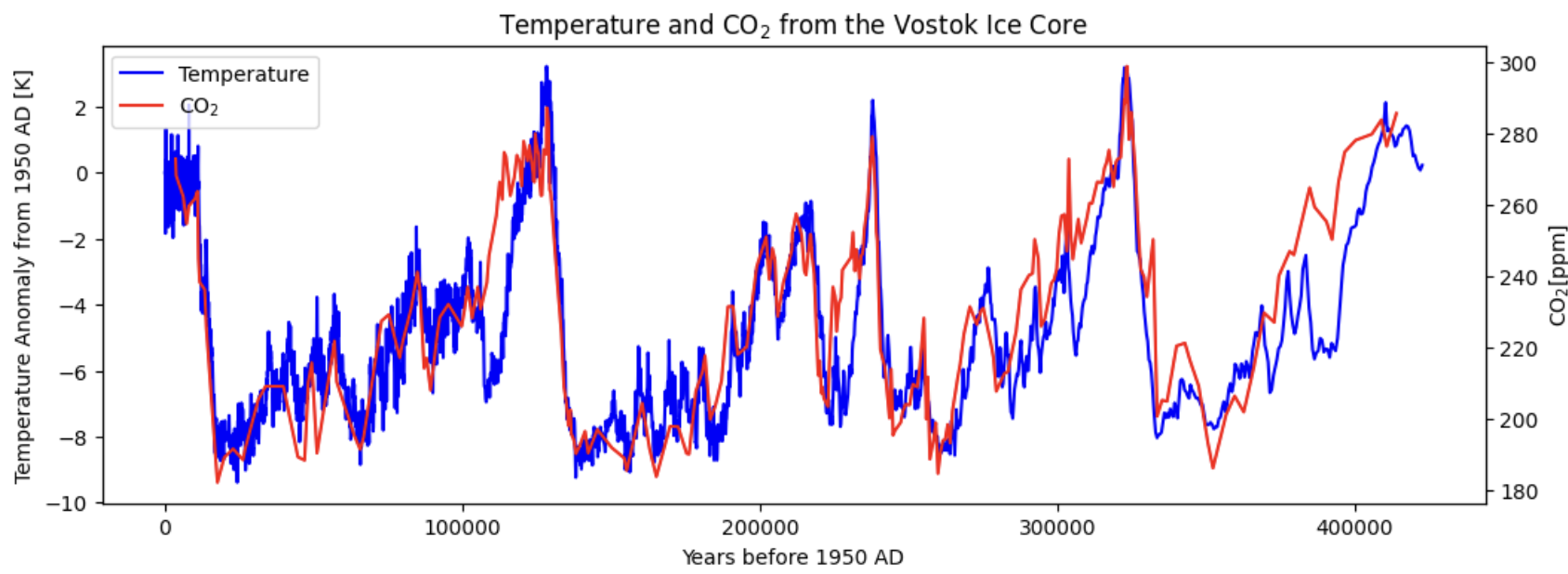
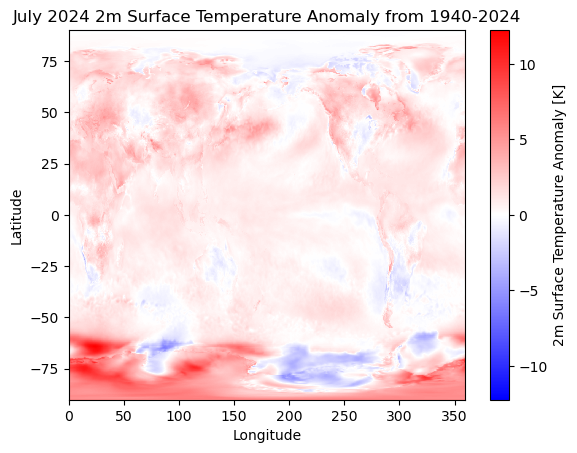
Figures from Student Assignments
Student feedback
“Thank you so much for your support, guidance, and positive energy throughout the course. Your encouragement made the learning environment both inspiring and welcoming. The fact that you were always ready to help and listen approachable and thoughtful made the learning process much more comfortable and enjoyable for us. This experience wouldn’t have been the same without you ”
“...I really enjoyed the fact that I was comfortable to express my knowledge gaps to you and the fact that your answers really helped me understand better the topics. Also, your presentations were well prepared and I was amazed of how easy some topics can be explained. I will really miss you and this wonderful community...”
“...It is definitely the summer period to remember. It was hard, but I really enjoyed being surrounded by so many scientifically related people, so it pushed me to do my best. I learnt a bunch of things, and maybe it will take some time to put everything in my head, but this knowledge is extremely valuable.”
Undergraduate research mentoring
I have mentored summer undergraduate research through Stanford's Sustainability, Engineering and Science - Undergraduate Research (SESUR) Program. Here are some of the projects I have advised.
Machine Learning based approach for segmenting sea ice floes from Imagery derived from Synthetic Aperature Radar
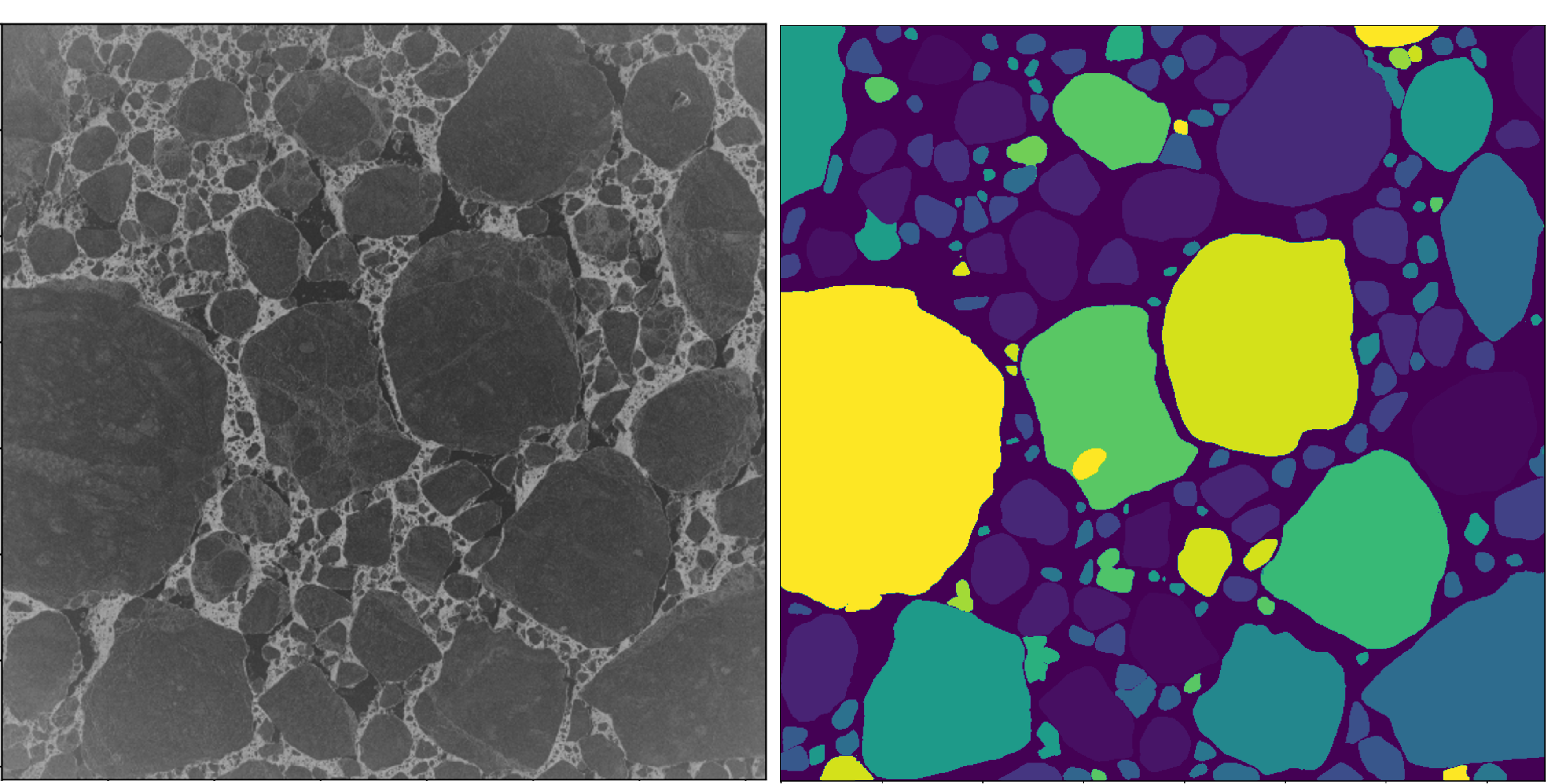
Project Description: Observing the influence of storms on the sea ice floe size distribution is difficult with optical imagery as clouds obscure the ice and polar night limits the possible observation window. Synthetic aperture radar (SAR) imagery, which can see through clouds and does not rely on solar radiation as an energy source making it a useful tool for directly observing the influence of winter storms on sea ice. However, images generated from SAR show surface roughness and contain non-Gaussian speckle noise rendering traditional segmentation methods unusable. Chloe developed an algorithm utlizing Meta's pretrained Segment Anything Model to retrieve the sea ice floes size distribution from SAR imagery.
Sea ice variability in the Southern Ocean

Project:
Sea ice dispersion in a discrete element model

Project: